

Ichi-go ichi-e: One Time, One Meeting
Ichi-go ichi-e is a classic phrase in tea ceremony. You may find it brushed onto scrolls in tea rooms across Japan: 一期一会. In fact, it’s my favorite scroll for our Wailea tea ceremonies, a gift from my teacher in Uji during training.
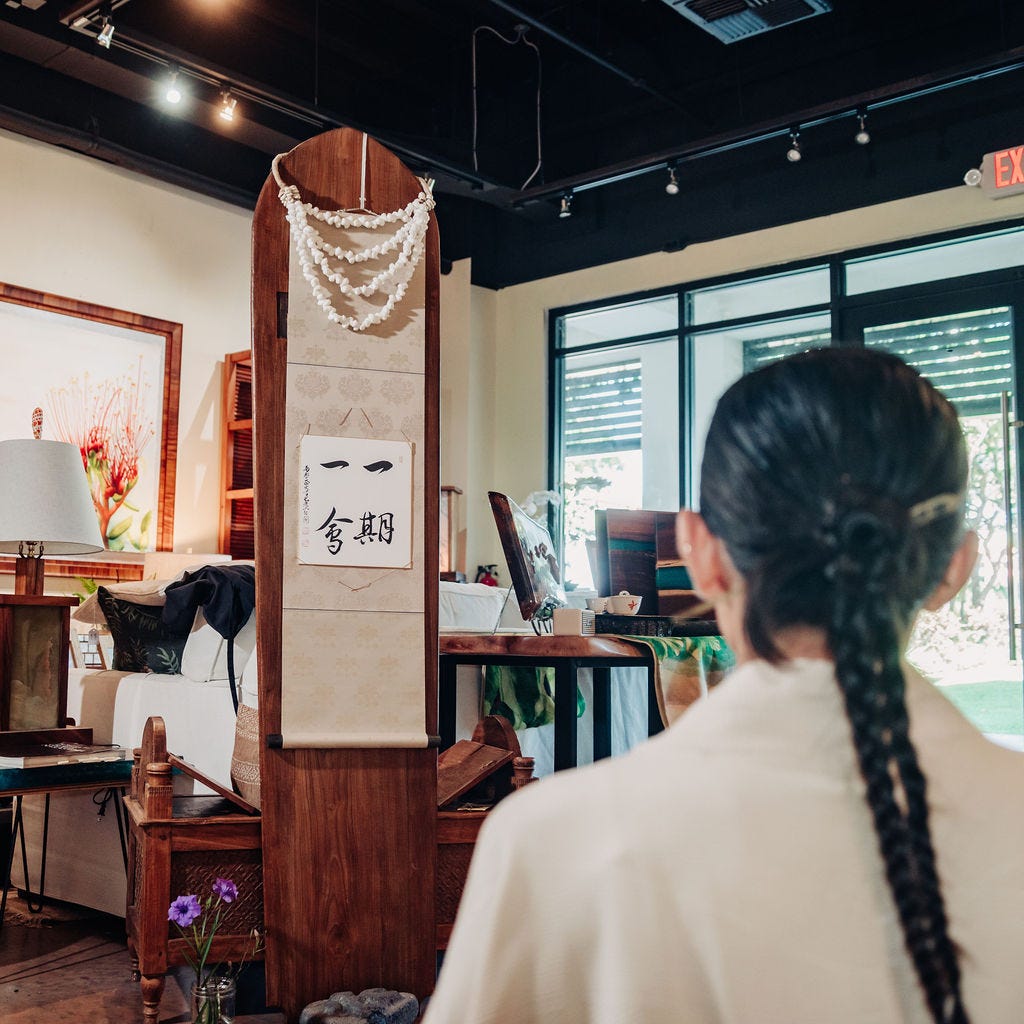
Ichigo 一期 is a Buddhist term for one lifetime, from birth to death. Ichie 一会 means one gathering.
The idea goes back to the 16th century and is attributed to Sen no Rikyū, the legendary tea master who popularized the aesthetic principles of wabi-cha (rustic tea).
Yamanoue Sōji, a merchant from Sakai who studied under Sen no Rikyū, wrote down his teacher’s instruction that a guest should honor the host as though this gathering were a once-in-a-lifetime occasion.
A reminder to be fully present and cherish the moment.
The way you experience it now is precious and will never happen again.
Maybe you will be with the same people or in the same room, but incense burns out, seasonal flowers wilt, gatherings end, seasons change, and you transform.
The imprint of this occasion is special.
The four characters we know today came almost three centuries later, from a samurai.
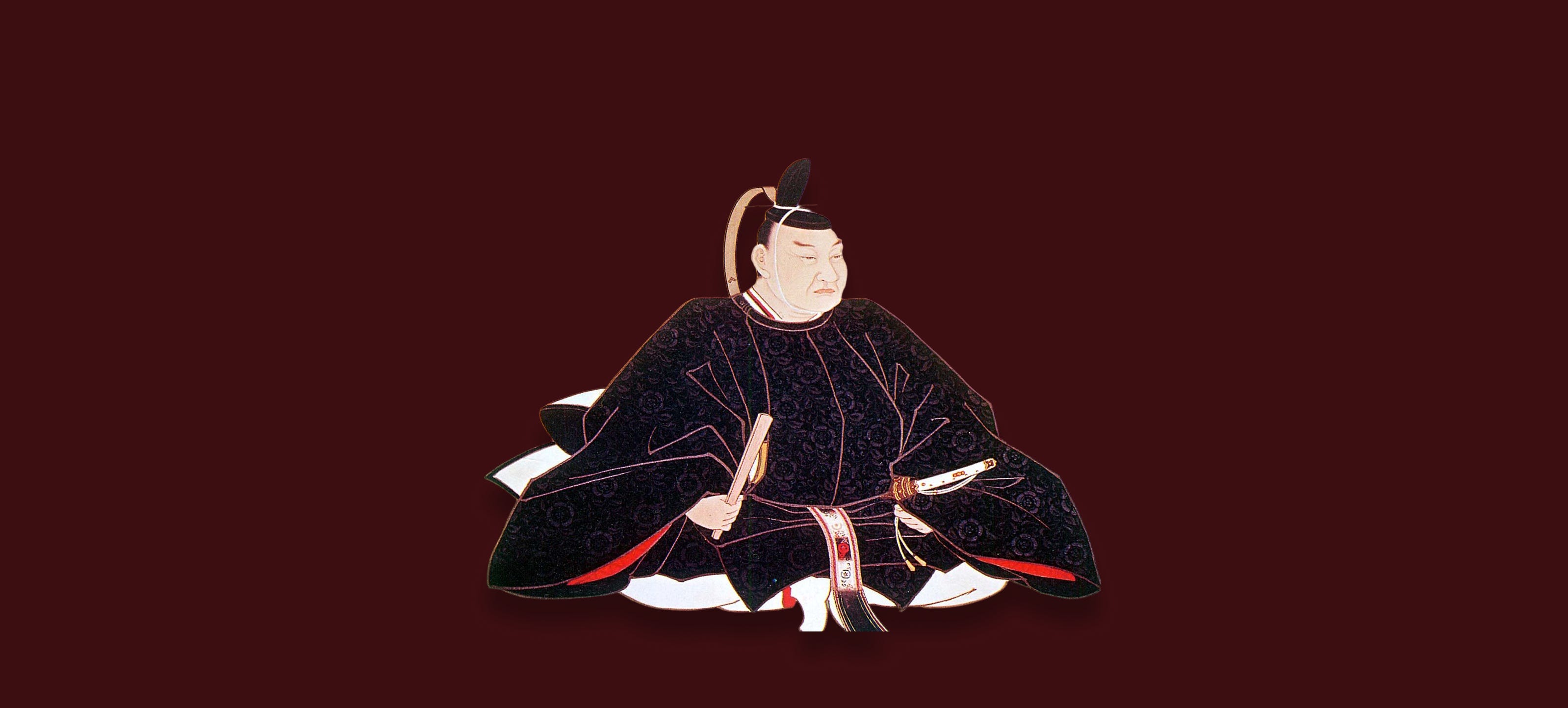
Ii Naosuke was born in 1815, one of the youngest sons of the lord of Hikone. With little hope of inheriting anything, he lived modestly and gave himself to Zen, to poetry, and to tea. The school he studied was Sekishū-ryū (this is the samurai style tea ceremony I offer).
Against every expectation, he became lord of Hikone. In 1858 he became Tairō, chief minister of the Tokugawa shogunate, second in power only to the shōgun. Around the same time, he finished his tea treatise, the Chanoyu Ichie Shū 茶湯一会集.
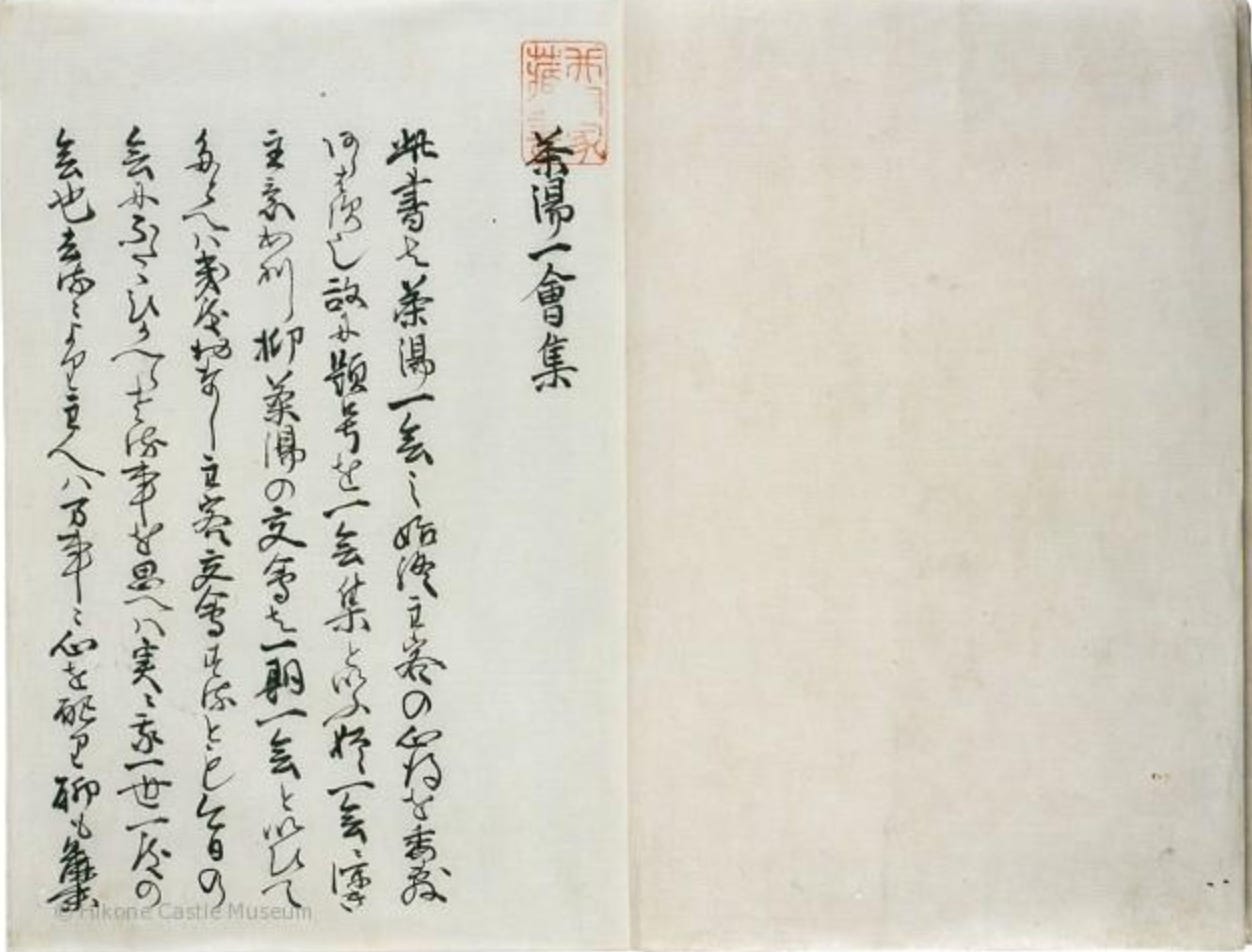
It opens with ichi-go ichi-e. Because this gathering can never happen again, the host should give every detail his full sincerity. The guest, knowing the same, should receive it with the same heart.
What’s special is that Ii Naosuke added something many people forget. When the guests have gone, the host does not rush to clear the room. He returns to sit alone before the hearth and reflect on the gathering that has just passed. Dokuza kannen 独座観念, sitting alone in contemplation.
To a warrior, ichi-go ichi-e was not poetry. It was simply true.
Ii Naosuke signed treaties that opened Japan to the West, making powerful enemies. On a snowy morning in 1860 he was assassinated outside Edo Castle. He was 44.
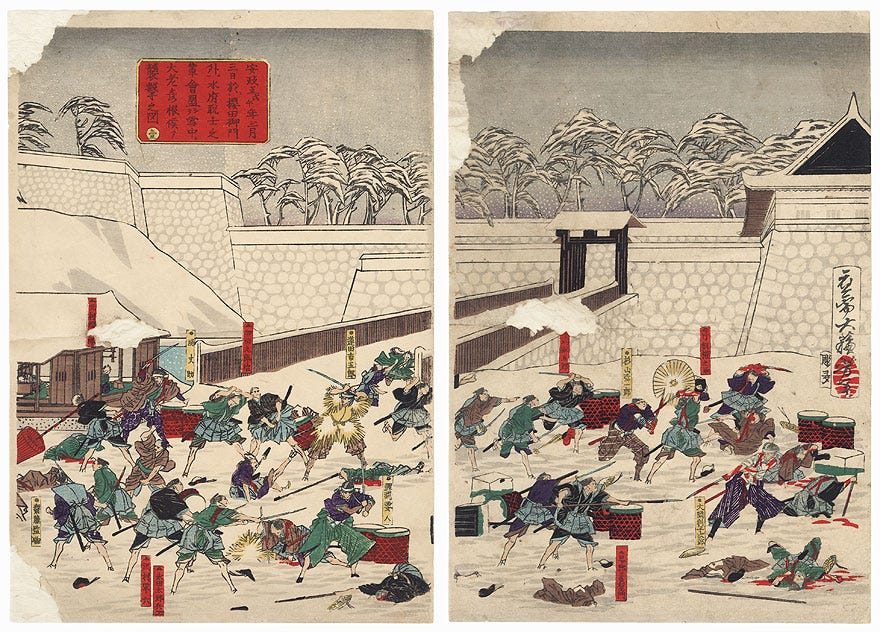
Any gathering could be the last.
Embracing impermanence is the flow of life.
This is the heart of buke-cha. The precision, the formality, the selection of matcha, the care in every movement are not rules for their own sake. They are what attention looks like when you know a moment will not come again.
Every time we prepare a bowl, everything is different: the water, the leaves, the weather, the hands, the people in the room. The same tea is never the same tea twice.
Whether in your daily ritual or through ceremony, it is in that spirit that we encourage you to cherish your tea with reverence.